Hidden Costs in Office Renovation Projects
Most office renovation budgets overrun. Not because contractors are dishonest or because businesses are careless with money, but because the true cost of a commercial renovation is spread across more line items than most people anticipate when they start. The fit-out quote you receive covers the construction work. It does not cover everything else.
After 15 years of working across Cape Town’s commercial property market, placing tenants in new spaces, coordinating renovations, and watching businesses navigate fit-out projects, the budget surprises are consistent. The same costs catch people out repeatedly. Here is what they are.
A fit-out contractor prices the construction work. They do not always price the professional team required to design, certify, and approve that work.
Professional Fees
A fit-out contractor prices the construction work. They do not always price the professional team required to design, certify, and approve that work. Depending on the scope of your renovation, you may need an architect to draw up plans for landlord and council submission. You may need a structural engineer if you are removing or adding load-bearing elements. Mechanical and electrical engineers are required for anything beyond minor modifications to existing building services. A fire consultant is required if your fit-out alters the fire protection layout, and most fit-outs do, because adding meeting rooms almost always means relocating sprinkler heads and smoke detectors.
Each of these professionals charges separately. Architectural fees for a commercial fit-out typically run between 6 and 10 percent of the construction cost. Engineering fees are charged on top of that, either as a percentage or a fixed rate per discipline. A fit-out contractor’s quote that excludes professional fees can look 15 to 20 percent cheaper than one that includes them, while actually costing the same or more once you appoint the professionals yourself. When you receive quotes, ask directly and in writing whether professional fees are included. If they are not listed in the scope, they are not included.
Landlord Consent Costs
Before any structural or significant cosmetic work begins in a leased office, most leases require you to obtain written consent from the landlord. That process is rarely free. Many landlords require their own architect, quantity surveyor, or building manager to review your proposed drawings before granting consent. They charge for that review, and they charge it to you. The fee varies by building and by the complexity of the proposed works, but R5,000 to R20,000 is not unusual for a standard fit-out review in a well-managed commercial building. In some buildings, the property management company charges a project administration fee on top of the professional review fee.
Some leases also specify that any contractor working in the building must be approved by the landlord and must carry specific insurance coverage. If your preferred contractor is not on the approved list, you may need to use a different contractor, potentially at a higher cost, or go through an approval process that takes time and sometimes money. Read your lease before you start briefing contractors. The consent clause tells you exactly what the landlord requires and who pays for it.

Council Approvals and Compliance Certificates
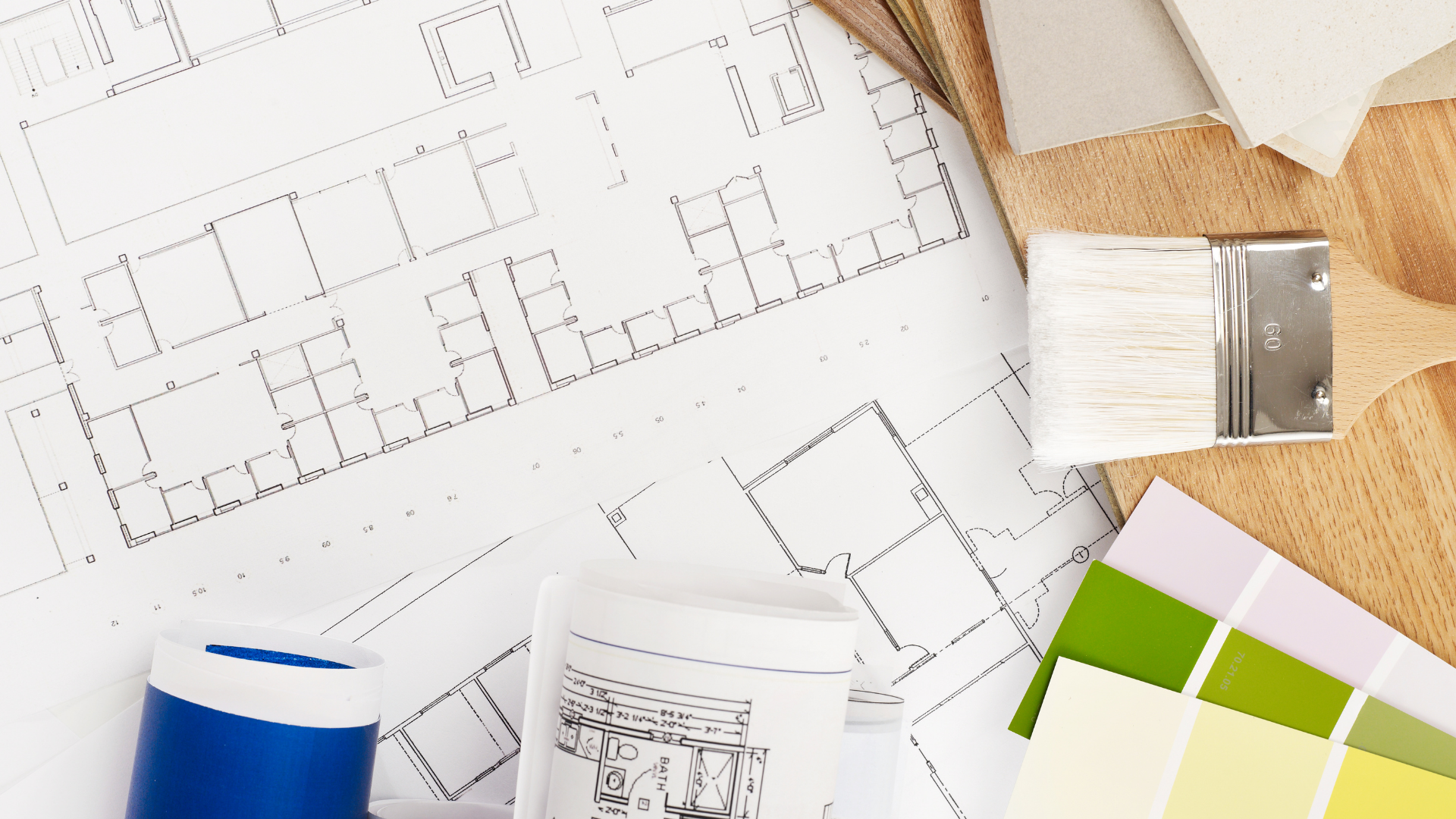
Cosmetic changes like painting, flooring, replacing ceiling tiles, changing light fittings do not require council approval. Almost everything else does, and the line between what triggers a submission and what does not is not always obvious. Adding or removing partitions that affect the building’s structural grid, altering the fire protection system, modifying the HVAC layout, adding plumbing points, or making any change that affects the building envelope requires approved drawings from the City of Cape Town before work can legally begin. The submission process takes time — often 6 to 12 weeks for a standard commercial alteration, and costs money in both professional fees and submission fees.
Beyond council approval, most commercial fit-outs require compliance certificates on completion. An electrical certificate of compliance is required for all electrical work. A fire compliance certificate is required when the fire protection system has been altered. A plumbing certificate is required for any new plumbing points. Each certificate requires an independent inspection by a registered professional, and each costs money. If your contractor tells you council approval is not required, ask them to confirm that in writing and to specify exactly which elements of the scope they consider exempt. That conversation either gets you the clarity you need or reveals that the question was not asked properly.
Reinstatement Obligations
This is the hidden cost that most tenants forget entirely when they are planning a renovation, and it is one of the most significant. Most commercial leases in South Africa contain a reinstatement clause that requires you to return the space to its original condition when your lease ends. Everything you build during your fit-out, partitions, built-in joinery, kitchen cabinetry, feature walls, branded elements must be removed at your own cost at the end of the lease term. The space must be restored to the standard it was in when you first occupied it.
The more extensively you fit out, the more expensive your reinstatement will be. A full fit-out with partitions, a new kitchen, a built-in reception desk, and a feature wall might cost R150,000 to R400,000 or more to reinstate, depending on the size of the space and the complexity of what was built. That cost is paid at the end of the lease, often at a moment when you are simultaneously spending money on a new office fit-out. Many businesses are not financially prepared for both at the same time.
When you budget for an office renovation, build the estimated reinstatement cost into your total cost of occupancy for the lease term. Divide it by the number of months remaining on your lease to understand its real monthly cost. It changes the economics of some renovation decisions significantly.
IT and Data Infrastructure
A fit-out contractor builds the physical space. They do not typically supply or install your IT infrastructure, structured cabling, network points, server room fit-out, WiFi access points, AV systems, video conferencing equipment, or access control. These are usually scoped and priced by a separate IT contractor or AV specialist.
In a new fit-out, IT infrastructure costs can add R500 to R1,500 per square meter depending on the complexity of the setup, the number of network points, and the AV specification of your meeting rooms. A single boardroom with a proper video conferencing setup can cost R80,000 to R200,000 to equip, depending on the screen size, camera, and control system specified. These costs are real and they are significant, and they almost never appear in a fit-out contractor’s initial quote unless you have specifically asked for them to be included. Ask.
Building Access and Contractor Levies
Commercial buildings in Cape Town impose access requirements on contractors that create real costs. Most well-managed buildings require contractors to work outside of business hours for noisy or disruptive work — typically before 7am, after 6pm, or on weekends. After-hours contractor access usually attracts an access fee payable to the building management company, covering security and building services for the after-hours period.
Some buildings charge a levy for the use of the service lift to bring materials up to the floor. Others require that contractors use only designated loading bays during specified hours, which affects how quickly materials can be delivered and therefore how long the project takes. If your building has strict access rules and your fit-out requires significant after-hours work, the access levy costs can accumulate over a 6 to 10 week project. Ask building management for their contractor access policy and the associated fees before your project starts.
Scope Changes During Construction
Once a renovation is underway, changes are expensive. A partition that gets moved 500mm because the layout does not work as built, a lighting position that needs adjusting, an additional power point that was not on the original drawing, each of these generates a variation order with a cost attached. Variation costs on commercial construction projects are consistently higher than the equivalent cost would have been if the item had been included in the original scope. The contractor has already mobilised, already priced the project at a margin that does not include rework, and has leverage. A change that would have cost R3,000 in the original scope costs R6,000 as a variation. The way to minimise variation costs is to spend more time on the design and planning stage before construction starts. Every hour spent on a detailed brief and reviewed drawings reduces the probability of costly changes during the build. Rushing to site to save time on the front end almost always costs more time and money on the back end.
What a Realistic Contingency Looks Like
Budget a contingency of 10 to 15 percent of your total fit-out cost for a standard commercial renovation. For projects with a high degree of uncertainty, older buildings, complex structural work, tight timelines, 20 percent is more appropriate. A contingency is not pessimism. It is the difference between a project that finishes within budget and one that requires emergency board approval for additional funds three weeks before handover. Most of the costs described in this post are not unforeseeable, they are foreseeable if you know to look for them. The contingency covers the genuinely unforeseeable ones.
The most effective protection against hidden costs is a detailed brief and a thorough quote review before you commit. Get multiple quotes so you can compare what each contractor has included and what they have left out. Read the scope sections carefully, the differences between quotes are often in the exclusions, not the total price.
Cape Interiors sources up to 3 independent quotes from vetted commercial fit-out contractors in our network. We know what a complete scope looks like and what questions to ask. You receive quotes you can compare properly, with the context to understand what is in them. There is no cost to receive quotes and no obligation to proceed.
Cape Interiors is a quote coordination service for commercial office fit-outs, renovations, and interior design in Cape Town. We connect businesses with vetted commercial contractors and source independent quotes on your behalf.