Cape Interiors
Office Interior Design
Home > Services > Office Reinstatement
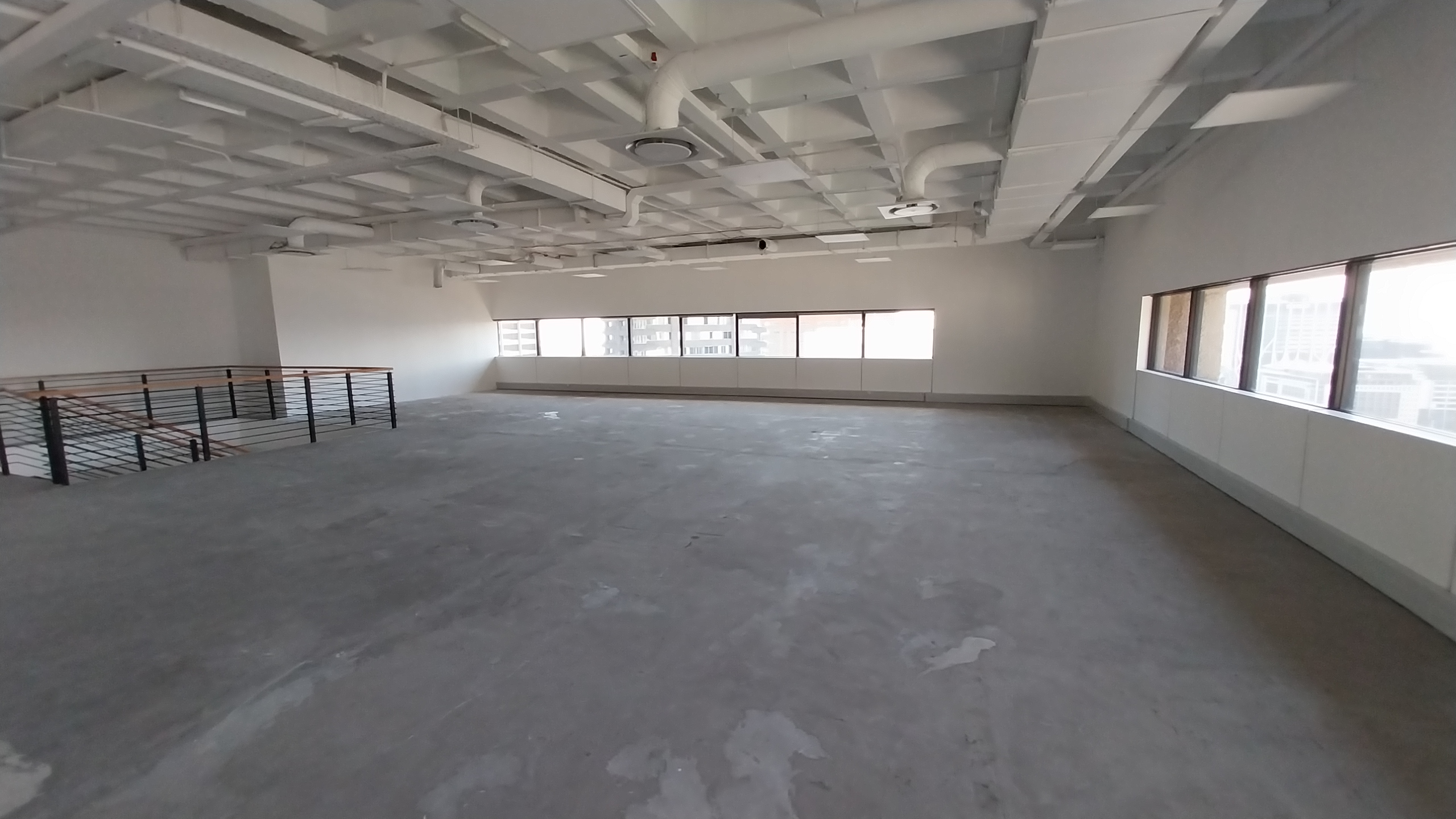
We source up to 3 independent quotes from commercial reinstatement contractors in our network, specialists who work in leased office environments daily and know exactly what landlords expect. You compare the quotes and choose who to work with. No cost. No obligation.
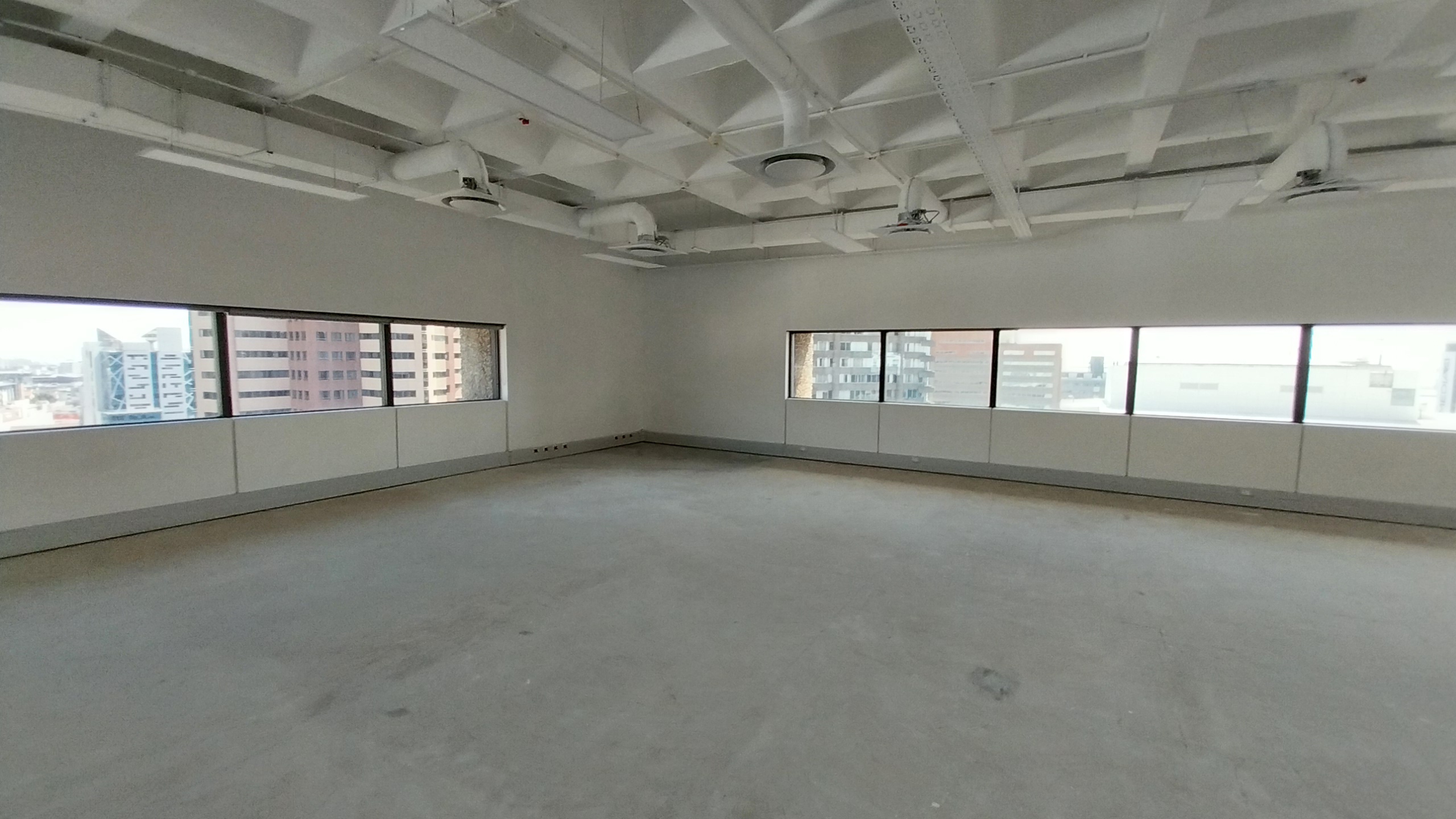
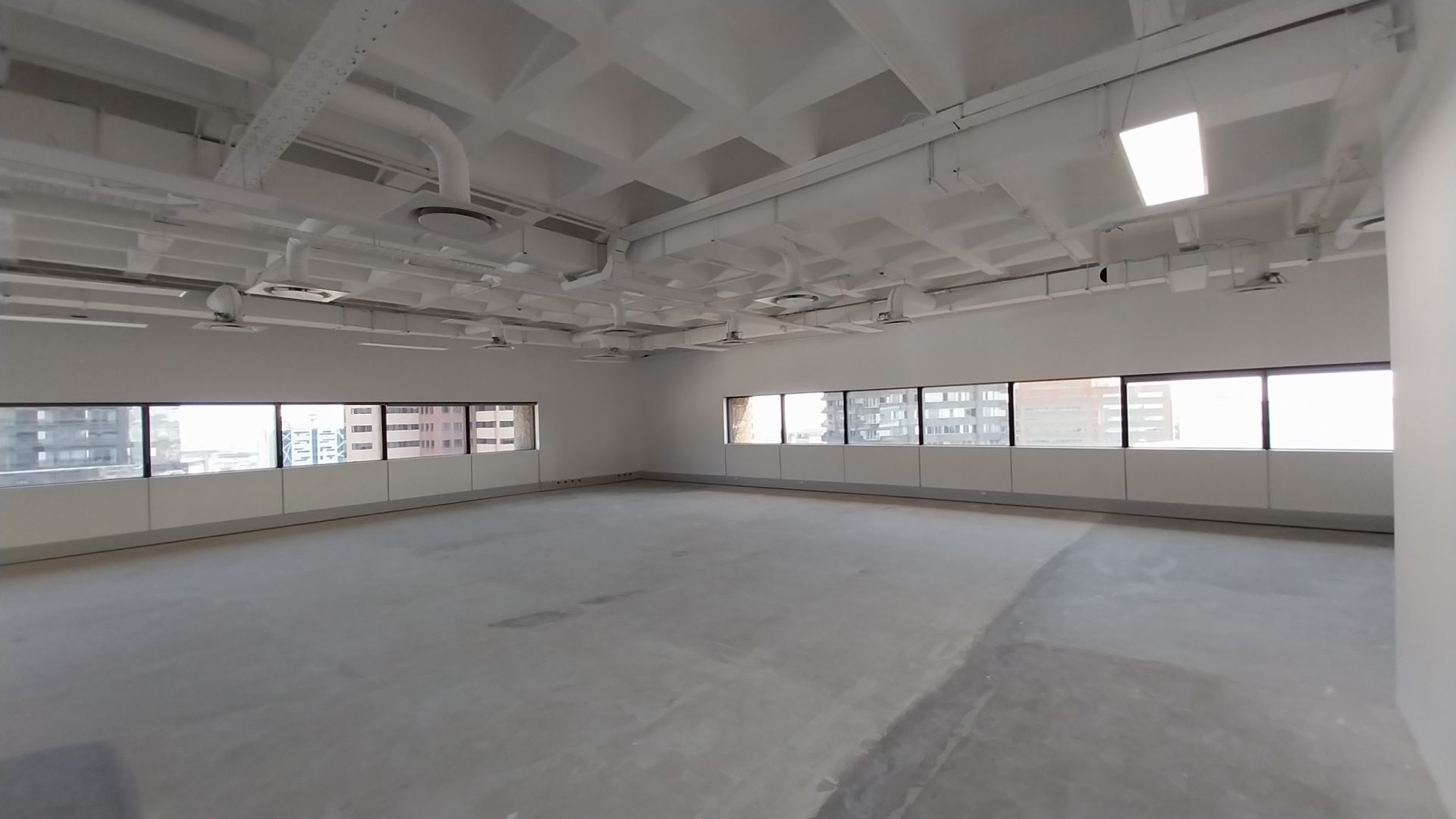
Office reinstatement, also called make-good, is the process of restoring a leased commercial space to its original condition at the end of a tenancy. The obligation is written into virtually every commercial lease in South Africa. It is not optional and it is not negotiable unless you have expressly agreed otherwise with your landlord in writing before the work begins. The scope of reinstatement is defined by the difference between the space as it was handed to you and the space as it stands today. Every partition you added, every wall you removed, every piece of built-in joinery, every branded element, every kitchen cabinet, every alteration to the electrical layout, these all need to be reversed. The space must be returned to the condition the landlord handed it over in, fair wear and tear excepted.
What counts as fair wear and tear is a common source of dispute. Minor scuff marks and worn carpet in high-traffic areas are generally accepted. Holes in walls, stained flooring, damaged ceiling tiles, and painted surfaces that were not part of the original specification are generally not. When in doubt, your lease defines the standard. When the lease is ambiguous, a dilapidations assessment by a quantity surveyor or building inspector provides a defensible baseline.
Most commercial leases in South Africa require tenants to return the space to its original condition before handing back the keys. This is called reinstatement, or make-good. It sounds straightforward. In practice, it involves coordinating multiple trades against a fixed lease-end deadline while also managing a business relocation, and landlords inspect closely.
We take the coordination off your plate. Tell us what your lease requires, and we source up to three independent quotes from pre-vetted commercial contractors who understand reinstatement work. You compare the quotes, appoint the right contractor, and hand back a space that meets your obligations.
A poorly executed reinstatement, or one that does not match what the lease requires, creates real financial exposure. Landlords can withhold deposits, charge for remedial work at their own rates, or pursue the tenant for the cost of correcting substandard work. In managed buildings, the property management company will conduct a formal dilapidations inspection, and any shortfall becomes a claim against you.
Getting three independent quotes does two things. It tells you what the reinstatement should cost at market rates, which protects you from being overcharged by a single contractor. And it ensures the contractor you appoint has read the scope carefully and priced the full reinstatement, not a selective version of it.
Read the make-good clause in your lease before you do anything else. It is the document that controls your reinstatement obligation, and it is specific to your building and your tenancy.
Most make-good clauses require you to remove all tenant alterations and restore the space to the condition described in the original lease schedule and landlord’s handover specification. Some clauses are written broadly — “return to original condition” — and leave room for interpretation. Others are highly specific, listing approved paint colours, ceiling tile specifications, and flooring standards by product code.
The handover inspection report from when you first occupied the space is your reference document. If you have it, locate it. It records the condition of the space at the start of your tenancy and is the clearest guide to what reinstatement requires. If the building changed hands during your tenancy, the new landlord inherits the same obligations under the original lease terms.
If your make-good clause is ambiguous or if you are uncertain whether a specific alteration needs to be reversed, do not assume it does not. Ask the landlord or their property manager in writing and get written confirmation of their position. A verbal agreement that you do not need to reinstate a particular item is not worth anything at inspection time.
If you hand back the space without completing your reinstatement obligations, your landlord has the right to carry out the work themselves and recover the cost from you. They do this by retaining your deposit and invoicing you for any amount the deposit does not cover.
There are two problems with this. First, reinstatement work carried out by a landlord-appointed contractor is almost always more expensive than work you source yourself on the open market. You have no control over who they use or what they charge, and they have no incentive to be cost-efficient because the bill is going to you. Second, the landlord may claim for items beyond the strict reinstatement obligation — upgraded finishes, improvements to the space that they want done while it is empty — and it becomes your burden to dispute the invoice rather than their burden to justify it.
Carrying out reinstatement yourself, with your own contractors, means you control the cost, the quality, and the scope. You present the completed space for a landlord inspection and address any legitimate defects on your terms. That is a fundamentally better position than receiving an invoice you did not authorise for work you did not specify.
Q: What is office reinstatement? Office reinstatement, also called make-good, is the process of returning a leased commercial space to the condition it was in when the tenant took occupation, as required by the lease agreement. This typically involves removing all tenant-installed improvements, restoring finishes, and returning building services to their original configuration. The specific requirements depend entirely on the reinstatement clause in your lease.
Q: Is office reinstatement a legal requirement? It is a contractual requirement under your lease, not a statutory one. If your lease contains a reinstatement clause — and most commercial leases in South Africa do — you are legally obliged to fulfil it before handing back the space. Failure to do so gives the landlord grounds to withhold your deposit and pursue you for the cost of remedial work, often at rates significantly higher than market.
Q: How much does office reinstatement cost in Cape Town? Cost depends on the size of the space, the extent of tenant improvements that need to be removed, and the condition of the space. A straightforward make-good involving painting, minor repairs, and cleaning is significantly less expensive than a full strip-out of partitions, HVAC modifications, and custom joinery. Getting three independent quotes is the only reliable way to understand what your specific reinstatement will cost — and it protects you from being overcharged by a single contractor with no competitive context.
Q: What is a schedule of condition and why does it matter? A schedule of condition is a document, usually including photographs, that records the exact condition of the space at the time the lease commenced. It is attached to the lease as evidence of the baseline condition you are required to restore. If your lease has one, it is the definitive reference for your reinstatement obligations. If it does not, the reinstatement standard defaults to the lease wording, which is open to interpretation and can become a dispute with the landlord.
Q: Can I negotiate with my landlord to leave some improvements in place? Yes, and it is worth attempting before commissioning any reinstatement work. If a landlord plans to re-let the space and the improvements you have made are an asset — a well-fitted kitchen, good quality flooring, modern lighting, they may agree to waive part of the reinstatement requirement. Get any agreement in writing before proceeding. Do not assume a verbal agreement will be honoured at the dilapidations inspection.
Q: What is a dilapidations inspection? A dilapidations inspection is a formal inspection conducted by the landlord or their property manager at or near the end of the lease to assess the condition of the space against the reinstatement obligations. The outcome typically results in a dilapidations report listing any shortfalls. If reinstatement work has been completed properly and documented, this inspection should be straightforward. If it has not, the landlord will quantify the remedial work required and present a claim.
Q: How long does office reinstatement take? It depends on the scope. A minor make-good — painting, patching, cleaning — can be completed in a week or two. A full reinstatement involving partition removal, HVAC reinstatement, flooring restoration, and electrical work on a mid-sized space typically takes three to six weeks of active work. Factor in two to four weeks for quoting before that. For any space above 500m², start the process at least ten to twelve weeks before your lease-end date.
Q: Do I need council approval for reinstatement work? Structural changes that were made during the tenancy and required council approval when installed may require corresponding approval to reverse. Your contractor will advise on this. For most standard reinstatement work, partition removal, painting, flooring, ceiling restoration, council approval is not required. Where HVAC systems were substantially modified, a mechanical engineer may need to sign off on the reinstatement of those systems.
Q: What happens if I miss my lease-end reinstatement deadline? Holding over past your lease-end date while reinstatement work is completed typically triggers a penalty rent clause — usually double rent for the period of overstay. This can be significantly more expensive than the reinstatement itself. If you think your reinstatement will run close to the deadline, discuss it with your landlord in advance. Some landlords will grant a short extension if the work is clearly underway and the delay is reasonable.
Reinstatement costs depend on two things: how extensively you fitted out the space, and what the original handover standard requires you to restore to. A lightly fitted space, minimal partitions, no built-in joinery, standard electrical, may cost R30,000 to R80,000 to reinstate. A comprehensively fitted space with extensive partition work, custom joinery, kitchen alterations, electrical modifications, and a feature ceiling may cost R200,000 to R500,000 or more, depending on size. The cost is proportional to the fit-out. The more you built during your tenancy, the more it costs to remove. See our Office Renovation Services
Getting multiple quotes is as important for reinstatement as it is for a fit-out. Reinstatement scopes are specific, every contractor is pricing the same building to the same original standard — so the comparison between quotes is clean. A lower quote that excludes compliance certificates, final clean, or landlord inspection follow-up is not a lower quote. It is an incomplete scope. Read what each contractor has included before comparing totals.
For most businesses, reinstatement and relocation happen in the same window. You are fitting out a new space while simultaneously stripping out the old one. Both projects are running, both are spending money, and both have deadlines tied to lease dates. This is the most financially pressured period in a business’s property life cycle. Managing it without a clear picture of both costs is a significant risk. We can source quotes for both your reinstatement and your new office fit-out through Cape Interiors. Getting both sets of quotes at the same time gives you a complete transition cost before you commit to either project. It also allows you to look for contractors who can do both, or to coordinate separate contractors whose programmes can run in parallel without conflict.
Tell us about your space, your lease end date, and what you built during your tenancy. The more detail you can provide — the original handover condition, the scope of your fit-out, any existing correspondence with your landlord about reinstatement — the more accurate the quotes you will receive. We take your brief to reinstatement contractors in our network who work in commercial office environments across Cape Town. Each contractor assesses your brief independently and prepares their own quote. You receive up to 3 independent quotes, compare them side by side, and choose who to work with. There is no cost to receive quotes and no obligation to proceed. We have been working across Cape Town’s commercial property market for 15 years. Reinstatement is a process we understand in the context of real leases, real landlords, and real buildings, not just as a construction scope.
We leverage our vast network of skilled contractors and office interior designers to offer you multiple competitive and independent quotes for your projects.