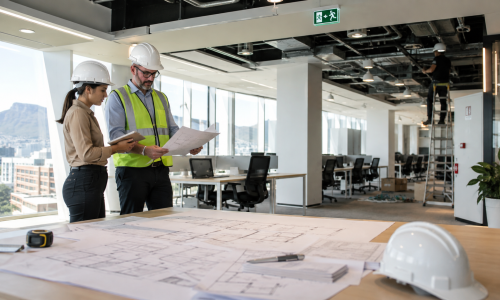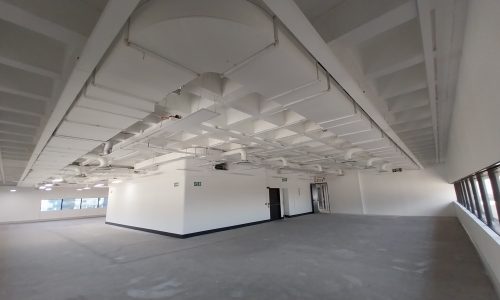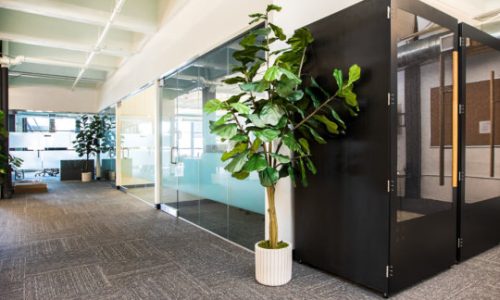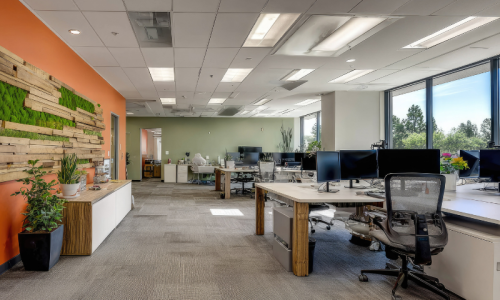
How to Find Your Next Office – A Smarter Approach Most businesses approach finding a new office the wrong way. They start with listings, look at photos, compare rentals, and then try to make a decision. That process creates risk because you end up choosing space before you understand what your business actually needs. The right approach is to start with your business, not the building. Step 1: Define How Your Team Works Before you look at space, understand how your team operates. How many people are in the office daily? How many work remotely? What type of work do they do? Quiet, focused work requires a different layout to collaborative teams. If you get this wrong, no building will fix it. Step 2: Get Your Timing Right Lease expiry often drives decisions, but it should not control them. You need enough time to: Test the market Negotiate properly Plan your fit‑out If you leave it too late, you lose leverage. Step 3: Choose the Right Location In a market like Cape Town City Centre, access matters. Your office must work for your staff and your clients. Look at commute patterns, parking, and public transport. If your team struggles to get to work, productivity drops. Find your next office space in Cape Town City Center Step 4: Review Buildings with Vision When you view space, don’t focus on how it looks today. Focus on what it can become. Most offices require changes – layout, meeting rooms, collaboration areas, and branding all need to align with your business. This is where planning and fit‑out strategy become critical. Step 5: Understand the Full Cost Rental is only one part of the equation. Factor in: Operating costs Parking Utilities Fit‑out Then look at landlord incentives. Many landlords will contribute to your fit‑out or offer beneficial lease terms, but only if you negotiate correctly. Too many tenants lose value by accepting terms instead of structuring deals. Step 6: Compare Your Options Stay versus go is not a guess – it is a structured analysis. What does it cost to remain in your current space? What does it cost to move? What do you gain in each scenario? Once you have that clarity, the decision becomes straightforward. Treat Your Office as a Business Decision Your office affects cost, staff performance, and how the market sees you. Treat it with the same level of detail you would apply to any other major decision. If you are approaching a lease expiry or considering a move, start early and get proper advice. It will change the outcome. If you want a clear view of your options, reach out. I can help you assess your current position and plan your next move properly.
Hybrid & Activity-Based Layouts – The Future of Office Design
The modern office is no longer a static environment defined by rows of desks and rigid hierarchies. Hybrid work models have reshaped expectations, and with them, activity-based layouts have emerged as the blueprint for adaptability. Flexibility as the New Standard Employees now divide their time between home and office, which means the workplace must justify its existence by offering something beyond what remote work can provide. Hot desks allow fluidity, ensuring that space is not wasted on empty seats. Collaboration hubs foster creativity and teamwork, while private focus zones cater to deep work. This balance is not a luxury, it’s a necessity for companies competing for talent. Space Planning as a Strategic Tool Activity-based layouts are not about aesthetics alone; they are about strategy. Smart space planning maximizes utility by aligning physical environments with business goals. A well-designed office can reduce overheads, improve productivity, and even strengthen company culture. The adaptability of these layouts means businesses can reconfigure spaces quickly as teams grow, shrink, or shift priorities. See more on our Office Interior Design Services Human-Centric Design At the heart of this trend is the employee experience. Workers crave autonomy—choosing where and how they work depending on the task at hand. By offering a variety of settings, companies empower employees to perform at their best. This human-centric approach also acknowledges diverse working styles, making inclusivity a natural outcome of design. The Cape Town Context For businesses in Cape Town, where commercial property markets are competitive and space is at a premium, hybrid layouts offer a practical solution. They allow companies to optimize square meterage without compromising on functionality. A well-executed activity-based design can transform even modest office footprints into dynamic, future-ready workplaces. Looking for your next Office, search the latest Offices to Rent in Cape Town Hybrid and activity-based layouts are not a passing trend, they are the architectural response to a fundamental shift in how we work. Companies that embrace this adaptability will not only attract talent but also future-proof their operations. The office of tomorrow is flexible, strategic, and human-centered, and the time to design it is now. At Cape Interiors, we believe that a well-designed office is more than just a place to work, it’s a strategic asset that drives productivity, reflects brand identity, and supports employee wellbeing. Based in Cape Town, we specialize in comprehensive office fit-outs, renovations, and space planning solutions tailored to the evolving needs of modern businesses. Whether you’re launching a new office, reconfiguring for hybrid work, or upgrading your interiors to align with sustainability goals, our team is equipped to deliver results that are both functional and inspiring. We work closely with clients to understand their operational requirements, company culture, and budget, ensuring every project is executed with precision and purpose. Cape Interiors has worked with a diverse range of clients from startups and creative agencies to corporate headquarters and industrial facilities. Our portfolio reflects our ability to adapt to different industries, aesthetics, and functional needs. What remains constant is our dedication to delivering spaces that work. If you’re ready to transform your office into a dynamic, future-ready environment, we’d love to hear from you. Let’s create a space that supports your people, reflects your brand, and grows with your business.
Why Finding Space Is Only Half the Decision
When a business looks for new office or industrial space, the focus usually lands on availability, location, and rental rate. You shortlist buildings, view properties, and choose the one that looks right. At that point, many people believe the hard work is done. It isn’t. Finding space is only the first step. The real decision is whether that space will work for your business over the full lease term. A Building Can Be Right but the Space Can Be Wrong A good location and a modern building do not guarantee a good outcome. Many businesses sign leases based on appearance and price, only to discover later that the layout limits how the team works. Common issues include: Floor plates that do not suit your headcount Columns or services that restrict layout Poor circulation that wastes usable space Meeting rooms that take up too much area Storage or utility space that was never planned These problems do not show up during a viewing. They appear after the lease is signed. Rent Is Only One Part of the Cost Most decisions focus on monthly rental. Very few businesses look at total occupancy cost before committing. You should also consider: Fit-out costs Professional fees Reinstatement obligations at lease end Inefficient space that increases cost per person Future changes in headcount A cheaper space can cost more if it needs heavy alterations or fails to support how your team operates. Space Needs to Support How You Work Your space should match how your business functions today and how it may change. Before signing, you should be clear on: How many people use the space daily How much collaboration you need How much focus work takes place Whether growth or contraction is likely How often clients visit the premises Without this clarity, you choose space based on guesswork. Space Planning Should Happen Before the Lease Space planning is often treated as a post-lease task. This creates risk. A simple test-fit can show: Whether the space fits your headcount How much usable area you actually get Whether meeting rooms and support areas fit If the space allows flexibility over time This step helps you avoid leasing space that cannot adapt to your needs. Execution Matters as Much as the Choice Even if you choose the right space, poor execution can undo the decision. Clear planning helps manage: Fit-out timelines Budget control Landlord approvals Move-in dates Business disruption When planning and execution work together, you reduce delays and unexpected costs. We can provide quotes for Office Renovations and New Office Fit-outs. The Better Approach The strongest outcomes come from connecting these conversations early: Space selection Space suitability Planning Execution This approach gives you clarity before you commit, not after. How I Can Help I help businesses assess space before they sign, not after problems appear. This includes sourcing suitable options, testing layouts, planning efficient use of space, and managing office or warehouse renovations when required. If you are considering a move or approaching lease expiry, speak to me before making a decision. The right space should support your business from day one. Our work focuses on office and industrial leasing, space suitability, and advisory support that reduces risk before you commit. I work closely with clients to assess options, test layouts, negotiate leases, and plan space that supports how their teams operate. The goal is simple: secure the right space, on the right terms, with clear insight from the start. Find out more on our Office Leasing Services.
Offices to Rent in Century City: What You Need to Know Before You Decide
If you are searching for offices to rent in Century City, you are looking at one of the most practical and efficient business nodes in Cape Town. Century City has built its reputation on location, infrastructure, and ease of access. You get a strong mix of corporate offices, retail, residential, and lifestyle spaces, all within walking distance of each other. This gives your staff and clients a simple and stress-free experience, which can make your business run smoother. You also get direct access to major transport routes. The N1 sits on your doorstep and public transport options run throughout the node. Your team gets to work with ease and your clients reach you without trouble. If you value predictable travel times and a central location, Century City supports you well. Businesses choose Century City because it offers convenience with the right level of professionalism. You get well-managed buildings, secure precincts, and a layout that encourages movement between offices, restaurants, gyms, and retail areas. This makes the environment feel balanced without distracting your team from their work. If you run a business that depends on accessibility and consistent service delivery, Century City fits well. Professional services, tech firms, financial service providers, call centres, and satellite offices from national companies work well here. The area also supports businesses that need flexible floor plans. Many buildings offer options that suit teams of any size. Growing companies also benefit because Century City offers long-term scalability. You can start in a smaller suite and expand into larger space within the same building or precinct as your team grows. Interested? See our latest Office Spaces to Rent in Century City. Offices to Rent in Century City Century City has a strong mix of buildings that appeal to small teams up to major corporates. Here are some of the most sought-after options: The Colosseum The Colosseum offers convenience with hotel, retail, and business space in one building. Many companies choose it for its visibility and easy access from the N1. Manhattan Corner Known for smaller suites that suit start-ups and national firms needing regional space. The precinct gives you a simple walk to Canal Walk and surrounding offices. The Estuaries This secure office park supports businesses that want quieter surroundings with professional layouts. It offers strong parking, fibre, and tidy landscaping. Canal Walk Offices Offices within or near Canal Walk give you direct access to retail, public transport, and restaurants. These spaces attract teams that want convenience above everything else. Sable Park Sable Park is one of the premium addresses in Century City. You get strong security, high-grade finishes, and reliable backup systems. The area also gives your team quick access to public transport routes. Waterford House and Waterford Place These buildings suit established firms looking for practical layouts and clear branding opportunities. They offer easy access into the precinct and a steady flow of foot traffic. Quays District Offices These spaces offer a mix of smaller and medium suites that appeal to growing businesses looking for a modern but grounded environment. Before you choose an office in Century City, consider your space planning, in other words make sure the layout supports your staff and the way they work. Open-plan spaces, meeting rooms, collaborative areas, and private offices should all serve a clear purpose. Most companies that move into Century City tend to stay here because it simplifies day-to-day operations. Staff enjoy the surroundings and the convenience of restaurants, gyms, coffee shops, and retail within walking distance. Clients appreciate the professional setting and the ease of access. If stability, location, and convenience matter to your business, Century City keeps delivering value year after year. If you want support with your search for offices to rent in Century City, complete the contact form and I will reach out to you with suitable options. You get direct feedback, clear guidance, and space that matches your needs.
What Condition Must I Return the Premises In?
What Condition Must I Return the Premises In? Returning a premises at the end of a lease feels a bit like returning a borrowed item to a friend—you want to hand it back looking as if you didn’t test its limits, even though you absolutely did. The difference is that your landlord won’t smile politely and pretend not to notice the wear and tear. They’ll pull out the lease agreement, flip straight to the reinstatement clause, and hold you to every line. And that’s fair. You agreed to it. The trick is understanding what “returning the premises in the right condition” actually means long before you’re handing over keys. Most tenants assume the exit process is about cleaning up, maybe patching a hole here or there, calling it a day, and letting the next chapter begin. But reinstatement is more specific than that. Landlords expect the premises to return to the condition you received it in—original layout, original finishes, original services. They want the space back as if your fit-out never existed. It sounds harsh, but it’s the standard across South Africa, and pretending it’s negotiable doesn’t do anyone any favors. If you installed new carpets, walls, kitchens, meeting rooms, ceilings, cabling routes, lighting layouts, or anything that changed the original structure or look of the space, you’re expected to remove it. Not halfway. Not “close enough.” Fully. And yes, removing something also means repairing anything that gets damaged during removal. If a partition wall comes down and takes part of the ceiling with it, that ceiling has to be repaired and repainted as part of your reinstatement, not left for the landlord to deal with. Tenants are usually surprised by how specific landlords can be. Paint colors matter. Ceiling tiles matter. Light fittings matter. Door handles matter. If the original space had white walls, standard tiles, and basic fittings, that’s what you need to give back. If the original floor had some questionable marks that predated your occupation, document them when you move in. Otherwise, you’ll be blamed for them when you move out. Your move-in inspection is your safety net—if it wasn’t done properly, unfortunately you’ll feel it later. Landlords also expect statutory compliance. That means the electrical installation must be certified. If you removed or relocated any DB boards, plugs, switches, cabling, lighting, or trunking, everything must be restored safely and certified by someone who knows what they’re doing. No shortcuts, no “my cousin is a handyman,” and no hoping the landlord won’t notice. They will notice. And they will reject non-compliant work instantly. Find our more on our Office Refurbishment services in Cape Town Returning the premises “in good condition” also includes cleaning. Real cleaning, not the type done by someone rushing through the space with a mop and a bucket. Floors must be vacuumed or washed. Windows cleaned. Walls wiped. Kitchens and bathrooms sanitized. Waste removed. Stickers, signage, vinyls, decals, and branding stripped without leaving marks. If your fridge has survived six years of office life, clean it before you hand it over. The landlord won’t be amused if they open it and discover what the marketing team left behind during the pandemic years. You also need to consider repairs. Any damage caused during your tenancy—scuffs, dents, chips, broken blinds, damaged door frames, loose fixtures—must be fixed. Landlords don’t overlook these things because they affect the next tenant’s perception of the space. If the damage happened under your watch, you fix it under your reinstatement duties. There’s also the emotional side that hits when you start stripping the space. The office looks emptier than you expected. It feels like the end of a long season. People underestimate that moment. You’re not just returning walls and floors; you’re returning a space where your business lived for years. Seeing the space bare again triggers a strange mix of nostalgia and relief. Planning early makes the emotional part easier to handle. Need a new Website, find our more about our Digital Marketing Services in Cape Town. Returning the premises correctly also means that nothing should be left behind unless the landlord asks for it. Old furniture, shelves, IT cabling, unwanted appliances, dead pot plants—remove them. Leaving things behind costs you money when the landlord hires someone to clear it and passes the bill to you. And yes, they will pass the bill without hesitation. One of the biggest issues I see is tenants thinking they can negotiate reinstatement at the end of the lease. Technically you can try, but don’t rely on it. Landlords rarely waive reinstatement unless you’re renewing for a long term or accepting a rental structure that offsets the landlord’s future costs. Even then, nothing is guaranteed. That’s why it’s safer to assume reinstatement is your responsibility from day one. It helps to remember that reinstatement protects both sides. The landlord gets a space they can re-let quickly. You avoid penalties, delays, and arguments. And both sides walk away without unnecessary tension. You don’t want your final weeks in a building turning into a dispute that overshadows years of decent occupancy. To return the premises in the correct condition, follow a simple rule: put it back the way you found it, minus the memories. Remove what you added, fix what you broke, clean what you used, and certify what you changed. That’s the baseline. The clearer your reinstatement plan, the smoother your exit will be. And starting early gives you time to collect quotes, compare costs, and lock in a contractor who understands that reinstatement isn’t a weekend DIY project but a structured handover with real consequences if done badly. If you treat the reinstatement process with respect, you’ll hand back the premises confidently instead of anxiously. The landlord will appreciate it. Your future self will appreciate it. And the finance team will appreciate not receiving an invoice that makes their eyebrows jump. If you’re unsure about what exactly needs to be restored, ask for the landlord’s reinstatement scope upfront. Get the original handover
When Should I Start Planning for Reinstatement?
When Should I Start Planning for Reinstatement? If you’ve ever dealt with a reinstatement clause, you know it sits quietly in your lease like a reminder that nothing stays the same forever. You sign the lease, you build out your space, you run your business, and life moves on. Then the end of the lease creeps closer, and suddenly that clause isn’t theoretical anymore. It becomes your next project. And depending on how early you plan, it can either be a calm, confident tick-box process… or a pressure cooker that tests your sense of humor and your heart rate. Planning your reinstatement early isn’t about pleasing the landlord. It’s about protecting yourself. Costs climb when time shrinks. Contractors get fully booked. Materials run out. And the last thing you want is to argue over paint colors and electrical compliance certificates while you’re also coordinating a move to a new office. So yes, timing matters. A lot more than most tenants realize. The honest truth? Tenants wait too long because reinstatement feels like admin they can deal with “later.” But later tends to arrive faster than expected, and by then you’re juggling lease expiry notices, operational pressures, renewal negotiations, moving plans, and that one colleague who keeps reminding everyone that “reinstatement is simple.” Spoiler: it never is. It’s manageable, but never simple. See our Office Reinstatement Services. A smart reinstatement plan starts early—earlier than your instincts might tell you—and it gives you a sense of control that you’ll appreciate more than you think. You don’t plan reinstatement because you’re paranoid; you plan it because you respect your budget, your time, and your sanity. Most tenants underestimate how long reinstatement actually takes. What feels like a few weeks of patching, painting, and removing carpets quickly turns into a multi-step project that needs coordination, approvals, compliance paperwork, health and safety processes, and then final landlord sign-off. That sign-off alone can drag if you hit a peak period or if your landlord is dealing with other exits at the same time. And landlords are usually dealing with other exits at the same time. The sweet spot for planning reinstatement is usually six to nine months before your lease expires. I know that sounds early. It feels like planning to leave a party while you’re still putting food on your plate. But starting early means you can actually choose contractors instead of begging for space in their calendars. It gives you room to compare costs, request proper scopes, ask questions, negotiate where needed, and put a plan in place that doesn’t depend on miracles. There’s also the emotional side no one talks about. Businesses get attached to their offices. You’ve built memories in that space. You’ve had good months and painful months. You’ve built teams. You’ve onboarded people who probably still don’t know where the boardroom light switch is. Reinstatement reminds you that this chapter is ending, and endings always feel heavier than expected. Starting early gives you breathing room, and breathing room gives you space to process the change without rushing through it. See our Commercial Property Services Most landlords require the premises to be returned to the exact condition they were in before your fit-out went in. That includes removing partitions, taking out carpets you installed, converting kitchens back into plain rooms, restoring lighting layouts, repainting everything, fixing ceilings, and handing over a compliance certificate that confirms the electricals are in order. It’s a detailed process, and leaving it until the last minute is the easiest way to spend more than you budgeted. Some tenants try to negotiate reinstatement away during renewal discussions. Sometimes that works. Sometimes it doesn’t. If you’re thinking about renewing, early reinstatement planning helps because you know the cost impact upfront. That gives you leverage. If reinstatement costs R400,000 and renewal terms don’t feel worth it, you walk away with clarity. If the space still works and the landlord is reasonable, you negotiate from an informed position. Either way, you’re not guessing. Guessing is expensive. Planning early also helps you protect your operational workflow. If you’re moving to a new space, you’ll already be dealing with design decisions, IT infrastructure, access control, and the emotional gymnastics of shifting an entire workforce. Reinstatement becomes another project in that mix. Managing both at the same time requires structure, which is another reason the six-to-nine-month window works well. It spreads the responsibilities instead of stacking them all in the final weeks. Another overlooked issue is compliance. Most reinstatement projects need a full electrical clearance, health and safety file, waste disposal compliance, and often access permits for the building. Getting these documents sorted isn’t difficult, but it takes time. Contractors also need a safe working environment, and that means doing the reinstatement after your team has moved out or during a phased exit. If your lease ends on a fixed date, you cannot afford delays. A single holdup—like waiting for a certificate—can trigger penalties. And trust me, penalties from landlords come in fast and smooth. When Should I Start Planning for Reinstatement? The emotional pressure during reinstatement is real. Even CEOs feel it. You’re closing a chapter. You’re preparing for a new one. You’re making decisions that affect your team. Planning early gives you more mental space to handle everything with less noise. The last month of a lease should be about signing off loose ends, not managing tradespeople at seven in the morning while you’re packing up the office fridge. The best way to approach reinstatement is to break it down into phases. Early planning lets you do that. You can start with a site inspection, document the changes, confirm the landlord’s exact requirements, get quotes, finalize a scope, and lock in timelines. Once the plan is clear, you can breathe a little easier. Without a plan, reinstatement becomes another emergency waiting to happen. The uncomfortable truth is that reinstatement costs often surprise tenants. And not in the cheerful way. You might think removing a few walls won’t cost much, but
2025 Office Fit-Out Trend Checklist
Stay ahead of the curve and plan a workspace that works for the future. This checklist helps you plan your next office renovation or fit-out with confidence. Each section focuses on the most relevant 2025 interior design trends, allowing you to decide which elements fit your business, your brand, and your budget. Use it before requesting your three independent fit-out quotes from Cape Interiors so that every supplier prices on the same terms. 1. Workspace Flexibility ☐ Does your layout allow for modular furniture and movable partitions?☐ Can your team easily switch between focused work and collaboration?☐ Are shared spaces like boardrooms and lounges adaptable?☐ Have you planned for future expansion or team restructuring? 2. Hybrid Work Enablement ☐ Is your office designed for both in-office and remote staff?☐ Do you have hot-desks or flexible seating options?☐ Are your meeting rooms equipped for hybrid collaboration tools (Zoom, Teams, etc.)? 3. Biophilic Design ☐ Have you included live plants or natural finishes in your concept?☐ Does your layout maximise natural light?☐ Are you using natural textures like timber or stone?☐ Have you allocated space for quiet, restorative zones? 4. Sustainability and Materials ☐ Are materials recycled, reclaimed, or locally sourced?☐ Are paints and adhesives low-VOC or eco-certified?☐ Has energy efficiency been considered in lighting and HVAC design?☐ Do you have a plan for furniture reuse or recycling after future changes? 5. Acoustic Design ☐ Have you identified noise-sensitive areas?☐ Are ceilings and walls treated with sound-absorbing materials?☐ Are private zones separated from open areas? 6. Technology Integration ☐ Is smart lighting or automated climate control included?☐ Do your data points and connectivity match your operational needs?☐ Are meeting spaces designed for hybrid use? 7. Brand and Culture Alignment ☐ Does the colour palette reflect your brand identity?☐ Do materials and finishes align with your company values?☐ Is the reception area designed to make the right first impression?☐ Does the layout support your workflow and hierarchy? 8. Comfort and Wellbeing ☐ Are ergonomic furniture and layouts included in your design?☐ Are lighting levels suitable for focus work?☐ Have you provided areas for relaxation or social interaction? 9. Budget Control ☐ Do you have a clear budget for design, fit-out, and furniture?☐ Have you requested itemised quotes from at least three providers?☐ Have you compared the total cost of ownership, not just upfront cost?☐ Have you verified that each quote includes all services (electrical, HVAC, flooring, etc.)? 10. Timelines and Delivery ☐ Have you defined your move-in or renovation completion date?☐ Are construction and approvals included in the project timeline?☐ Have you confirmed contingency time for unexpected delays? 11. Local Considerations (Cape Town & Durban) ☐ Does your design take local climate and lighting into account?☐ Are materials and contractors sourced locally to reduce delays?☐ Does your project comply with local building regulations and standards? Ready to Take the Next Step? Once you’ve completed this checklist, share your brief with Cape Interiors.We’ll connect you with three qualified and independent fit-out contractors that specialise in commercial office design across Cape Town and Durban. You’ll receive: Transparent, comparable quotes from trusted professionals. Clear pricing and timelines to make informed decisions. A direct point of contact to manage the quote process for you. Get Your Three Independent Fit-Out Quotes today by completing our contact form Need Help Finding the Right Space or Planning Your Fit-Out? Whether you’re moving into a new office, renovating your current workspace, or planning a complete fit-out, Cape Interiors helps you make informed decisions from start to finish. Through our network of qualified interior contractors and designers, we provide multiple independent and competitive quotes for your project — saving you time and giving you full control over cost, quality, and timelines. FIND YOUR NEW OFFICE TO RENT IN CAPE TOWN If you’re still looking for the right location, we also work with trusted commercial real estate specialists in Cape Town who can help you secure the best office or retail space for your business.
What Are the Latest Trends in Office Fit-Outs
What Are the Latest Trends in Office Fit-Outs If you are planning an office fit-out, you need to know what’s current in the market. Today’s workspace demands go beyond looks. They require flexibility, technology, sustainability, and a layout that supports how people work. Understanding these trends helps you brief contractors, compare quotes wisely, and get the space your business needs. 1. Flexible, Hybrid-Ready Layouts Many companies now split work between home and office. Your fit-out must support hybrid models. That means you design workstations not just for seated 9-to-5 work but for shifting patterns: collaborative zones, focus pods, and multi-use areas. Furniture that can move, partitions that can shift, and spaces that serve multiple functions help you adapt without a full rebuild. 2. Sustainability and Eco-Conscious Materials Indoor air quality, energy use, and material sourcing matter more than ever. Fit-outs now include low-VOC paints, energy-efficient lighting, recycling existing materials, and specifying sustainable joinery. If you prioritise greener options, you reduce long-term operating costs and meet growing tenant and employee expectations. 3. Smart Technology Integration Technology is no longer just cables behind walls. Your fit-out should include smart infrastructure: sensors, adjustable lighting, climate control, data cabling, flexible connectivity, and meeting room tech. When you compare quotes, make sure each includes tech infrastructure, not just finishes. The difference in cost and capability can be significant. 4. Employee Well-Being, Acoustics and Natural Light Your team’s performance ties to comfort. Modern fit-outs focus on ergonomics, noise control, ventilation and daylight. Quiet work zones reduce distractions. Acoustic panels, ceiling design, and layout planning help. When you brief a contractor, include your requirements for light, noise, and comfort — don’t assume they’ll include them unless you ask. 5. Biophilic & Nature-Inspired Design Bringing nature inside matters more now. Indoor plants, natural finishes, views of outside and design that mimics natural forms have proven benefits. If your space allows it, include areas with greenery, better window treatments, plant walls or simple potted plants. These may not cost more than major construction changes, yet they add value in comfort and morale. 6. Modular Design and Adaptability Your business will change. Your office should flex. Modular furniture, demountable partitions, mobile workstations and flexible zones enable you to rearrange without major disruption. When you’re comparing quotes, ask how easy it will be to reconfigure the space later — this future-proofing adds value. 7. Branding and Identity through Space The office itself becomes a brand asset. The colours, finishes, joinery, signage and layout reflect your culture and brand. This doesn’t mean expensive designer finishes if your budget doesn’t allow it — it means you make deliberate choices. When briefing contractors, include how the space should reflect your business identity. Compare how each quote addresses brand materials and execution. 8. Local Context and Compliance If you’re in Cape Town or any specific location, local building conditions, material availability, labour rates and compliance frameworks matter. Contractors familiar with South African market conditions will provide quotes that reflect real costs and timelines. When you run your process and compare quotes, include local context: accessibility, delivery logistics, local sourcing of materials, labour availability. 9. Cost-Control and Value Engineering Trends are important, but budgets still drive decisions. Current fit-outs emphasise value engineering: reusing existing services, renegotiating material supply, phasing work to spread costs, and avoiding over-specification in areas that don’t add functional value. Since your model offers multiple quotes, you can compare how different contractors propose to deliver the same trend features but at different cost levels. You gain clarity about where spend impacts value. 10. Future-Proofing and Scalability Finally, your fit-out should not just suit today. It must support change. Consider future team growth, evolving work patterns, technologies you will adopt. When you brief and review quotes, ask: how will this layout work in 3-5 years? How easy will it be to expand? How much of this work is irreversible or costly to change? Use this line of questioning to differentiate quotes and select the one that offers both value now and flexibility later. How You Can Use These Trends in Your Fit-Out Process When you engage for your next office fit-out, you should: Review this list and decide which trends apply to your business needs. Create your fit-out brief with those priorities: e.g., “We need modular furniture”, or “We prioritize natural light and biophilic design”. Use our service to get three independent and competitive quotes. Each quote should reflect how the contractor addresses the shortlisted trends, their cost impact, and timeline. Compare the quotes side-by-side: cost, scope, how each handles flexibility, how each handles brand/light/tech/sustainability. Choose the provider that gives you the best combination of budget fit, timeline, and future-proofing. Since you don’t have to pick the first quote or accept a single contractor’s terms, you gain leverage. This process helps you avoid overpaying or committing to a solution that doesn’t truly meet your needs.
Best Companies for Office Fit-Outs in South Africa
Best Companies for Office Fit-Outs in South Africa (and How to Choose the Right One) If your business needs a new office fit-out or a major refurbishment, choosing the right company can make all the difference. This post will help you understand what you should look for when selecting a fit-out partner and how our process at Cape Interiors gives you access to multiple independent quotes so you choose the best partner for your needs How to Choose the Right Fit-Out Company Working with a capable fit-out company matters, but selecting the right one is key. Here are five criteria you should check: Relevant ExperienceReview their past projects — have they completed offices of similar size, layout and function to yours? A fit-out for a financial services firm will differ from one for a creative agency. Design & Build CapabilityDoes the company manage both design and construction or only one part? A full turn-key provider simplifies your process. Some firms only handle build, so you may need separate designers. Transparent CostingThe quote should clearly list work-items, materials, timelines and exclusions. If the quote is vague or only lump-sum, you risk surprises later. Project Timing & CapacityConfirm they can deliver within your required time-frame. If you’re moving offices or your lease ends soon, schedule is critical. Compliance & Quality AssuranceEnsure they meet local building regulations, health & safety standards, and hold proper insurance. Review their client testimonials and previous handovers. By comparing companies on these criteria you’ll avoid picking a partner who can’t deliver what your project demands. Why Getting Multiple Independent Quotes Matters Rather than choosing one fit-out company prematurely, our approach at Cape Interiors gives you access to up to three competitive and independent quotes from top commercial interior and fit-out companies. Here’s why that matters: Price comparison: You’ll see how different companies price the same scope of work, helping you identify fair market value. Scope comparison: You can compare how each provider approaches the project, what they include and what they exclude. Timeline and service comparison: A lower price may come with a longer timeline or lower service level — you’ll see those trade-offs clearly. Choice and control: You stay in control of your budget and decision while working with vetted professionals. DIGITAL MARKETING SERVICES CAPE TOWN Our process is designed to save you time: you send us your brief, we contact our network of trusted contractors, they each submit a quote, and you receive three side-by-side proposals. You then choose the company that best meets your price, timeline and scope needs. How You Can Use This for Your Fit-Out Project When planning your office fit-out, follow these steps: Prepare your brief — include the size of your space, required number of workstations, meeting rooms, kitchens, any special equipment, desired finishes and your timeline. Engage our service — we collect your brief and reach out to our network of commercial fit-out providers. Receive multiple quotes — each quote will include cost, timeline and scope. We deliver them to you in a comparison format. Compare and choose — you can see what each provider offers and choose based on what matters most to your business (budget, finishes, timing). Move into delivery — once selected, your fit-out company begins work, and you focus on your business while they deliver the project. Benefit to You You minimize the risk of over-paying or being locked into a single quote without comparison. You make informed choices rather than decisions based on intuition or urgency. You retain control of quality and cost while your fit-out is managed by capable professionals. You can move fast — by accessing multiple quotes you’re ready to act when you must. Selecting the right fit-out company matters, and getting comparative quotes gives you the clarity you need. You don’t have to pick blindly from a single provider. Use the list of top firms above as a reference point. Then use our service to gather multiple trusted quotes, compare, and pick the best fit for your business. Let us assist you in gathering those quotes so your office fit-out delivers the right outcome, on budget and within your timeline. We do Office Renovations, Office Reinstatement as well as Space Planning & Office Interior Design.
How Much Does an Office Fit-Out Cost in Cape Town?
How Much Does an Office Fit-Out Cost in Cape Town? When you start planning an office fit-out, one of the first questions that comes up is cost. The price of an office fit-out in Cape Town depends on size, design choices, materials, and the type of workspace you want to create. This guide outlines what affects cost, what to expect for different fit-out types, and how to plan your budget effectively. Understanding What an Office Fit-Out Includes An office fit-out covers everything needed to make a workspace functional and ready for occupation. This includes: Partitioning and drywall installation Flooring and ceiling finishes Electrical and lighting layouts Air-conditioning and ventilation systems Data cabling and network points Furniture, joinery, and fittings Kitchenettes, bathrooms, and staff areas Painting and final finishes Some projects also include design, space planning, and project management services. Average Cost Ranges in Cape Town Office fit-out costs vary based on the quality and complexity of the project. Here are general estimates used across Cape Town: Basic Fit-Out: From R5,000 to R8,000 per m²This covers functional layouts with standard finishes, suitable for smaller offices or tenants moving into existing spaces with minimal changes needed. Mid-Level Fit-Out: From R8,000 to R12,000 per m²This includes improved finishes, upgraded lighting, and moderate design input. It suits businesses that want a modern but practical space. High-End Fit-Out: From R12,000 to R18,000+ per m²This covers custom joinery, detailed design elements, and premium finishes often seen in client-facing spaces or corporate headquarters. These numbers give a starting point. Every building and layout has different requirements that can shift the total cost. OFFICE RENOVATIONS Key Factors That Influence Fit-Out Costs 1. Size and Layout of the Office The total area directly affects the cost. Larger spaces often benefit from economies of scale, but open-plan layouts can also reduce partitioning and electrical costs compared to multiple closed offices. 2. Condition of the Existing Space A new, empty shell requires more work than a space that already has ceilings, lighting, and air-conditioning. A “white box” fit-out (basic finishes provided) usually costs less than a “grey box” (bare concrete) because fewer installations are required. 3. Design and Specification Design complexity and material choices have a major impact. Custom finishes, glass partitions, and high-end flooring add cost. A functional layout with standard materials reduces it. 4. Mechanical and Electrical Requirements Adding or moving air-conditioning, power points, and lighting can significantly affect the budget. The more your design changes the base building services, the more it costs. 5. Furniture and Joinery New furniture, built-in storage, and reception counters often represent a large part of the budget. You can reduce costs by reusing existing furniture or sourcing modular options. 6. Project Timeline Tight deadlines can increase costs. Contractors may need to work overtime or bring in extra teams to meet deadlines. Planning early allows for better scheduling and pricing. The Difference Between a Fit-Out and a Renovation A fit-out is usually for new or empty spaces being made ready for occupation. A renovation focuses on improving or reconfiguring an existing workspace. Renovations often cost less if the existing layout and infrastructure are still functional. However, if major services need to be replaced, costs can be similar to a full fit-out. OFFICE RENTAL CAPE TOWN How to Budget for Your Office Fit-Out Start with a Clear BriefDefine how many staff you need to accommodate, what type of workstations are required, and which areas (like meeting rooms or kitchens) are priorities. Request Independent QuotesAlways compare multiple quotations. Prices can vary widely between contractors. Independent quotes help you see market averages and avoid overpaying. Include Professional FeesBudget for space planning, design, and project management. These services help control costs and reduce risks during the build. Allow for ContingenciesInclude a 10–15% contingency for unexpected items or scope changes. Consider Future NeedsPlan for flexibility. Modular layouts make it easier to adapt as your business grows or changes. Getting Independent Quotes in Cape Town Cape Interiors helps businesses in Cape Town get multiple independent and competitive quotes for their office fit-out projects. We work with a trusted network of commercial interior design firms and contractors who specialize in office environments. You receive up to three detailed quotations based on your project scope. This allows you to compare pricing, timelines, and proposed solutions before you commit. You choose the contractor that fits your budget and vision, while we ensure the process is transparent and efficient. Why Comparing Quotes Matters Office fit-outs are a major investment. The difference between quotes can often be 15–30%, depending on materials, labor, and scheduling. Comparing multiple quotes gives you real insight into market pricing and prevents you from paying for unnecessary extras. It also helps identify which contractors are realistic about timelines and scope. Make Informed Decisions for Your Next Fit-Out When you plan your office fit-out in Cape Town, knowing the cost structure helps you manage your budget and expectations. Use clear information, define your priorities, and compare independent quotations before making any decision. Cape Interiors gives you access to the right professionals and transparent pricing — so you can move forward with confidence, knowing you’ve made the best choice for your business.