
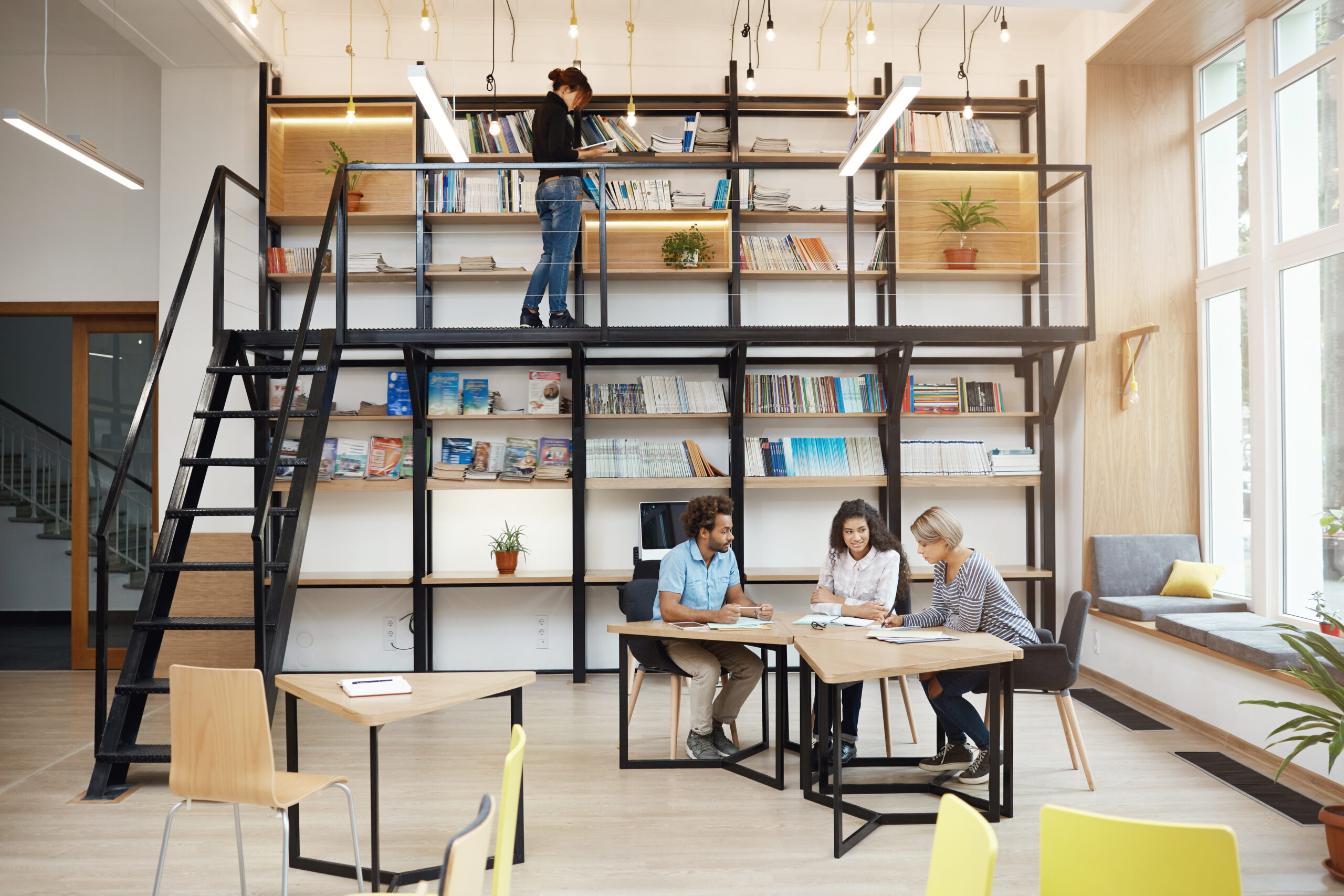
Office Changes You Should Be Considering for 2026 to Improve Productivity and Staff Morale Office design keeps shifting, but the core goal stays the same: help people do their best work and feel good while doing it. As you look ahead to 2026, you’re probably seeing shifts in how your team works, how they use space, and what they expect from the workplace. Small changes can make a big difference, and a well-planned upgrade gives your people the kind of environment that supports focus, energy, connection, and pride. If you’re considering an update, here are practical changes worth your attention. 1. Create Spaces That Support Different Ways of Working Teams want flexibility, and you get more out of your space when it works for multiple tasks. Think less “open plan everywhere” and more “give people options.” People need Quiet zones for deep focus, Collaborative areas for fast problem-solving, Small meeting rooms that aren’t always booked and breakout lounges for informal work or quick resets. When you combine these, productivity improves because people aren’t fighting the space to get their work done. Good space planning helps you redesign without wasting square metres or budget. 2. Prioritize Lighting and Air Quality This is a quick win. Better lighting and cleaner airflow reduce fatigue and help people stay alert for longer periods. Consider LED lighting with more natural warmth, Automatic lighting zones to reduce glare, Improved ventilation or air purifying units or layout changes that bring in more natural light. These adjustments support concentration and boost morale because the environment feels healthier and calmer. Find out more about our Office Renovation Services here. 3. Upgrade the Furniture to Support Movement People sit too much. It affects mood, energy, and overall performance. Simple additions like: Sit/stand desks Ergonomic task chairs that support posture Moveable collaboration tables Soft seating areas that encourage quick discussions These allow staff to shift positions through the day, which keeps energy levels more stable. 4. Improve Acoustic Control Across the Office Noise is one of the biggest productivity killers. You don’t need a full renovation to fix it, but you do need a thoughtful plan. Some effective updates include: Acoustic wall panels Sound-absorbing ceilings Privacy screens Better meeting room insulation These changes protect your team from constant interruptions and create calmer work areas. 5. Bring in More Natural Elements People respond well to environments that feel warm and grounded. Natural elements don’t have to be dramatic or expensive. Even small touches help. You can add Indoor plants or timber finishes, look at softer textures and neutral tones that reduce visual stress. This makes the office feel more human and less like a corporate box, which improves morale almost instantly. 6. Rethink Your Kitchen and Break Areas Your kitchen says a lot about how much you value your people. A comfortable, well-designed space gives teams a chance to reset, connect, and decompress. For 2026, consider: Better seating options Coffee and hydration stations More functional layout flow Softer finishes that feel welcoming A refreshed break area supports wellbeing without any productivity gimmicks. 7. Use Space Planning to Remove Wasted Areas Most offices have dead corners, oversized meeting rooms, or awkward layouts that eat up valuable space. Smart planning helps you reclaim these areas and turn them into high-value zones. Examples: A corner becomes a focus pod An oversized boardroom becomes two smaller meeting rooms A long passage becomes an informal collaboration zone This improves movement, reduces crowding, and makes the space work harder for your business. 8. Invest in Visual Upgrades That Create a Sense of Pride People feel better in spaces that look modern, intentional, and clean. Simple redesigns can shift the entire mood of a team. If you’re planning changes to support productivity and morale, you don’t need guesswork. You need a clear plan that gets the most out of your space. At Cape Interiors, I help businesses Assess their current office layout. Plan new layouts that support how their teams work. Provide space planning and design drawings. Complete full office renovations and turnkey fit-outs as well as prepare for lease reinstatement. Need new space for your business? See the latest Commercial Property to Rent in Cape Town. You get practical advice, honest guidance, and a partner who understands how to make workplaces feel better and work better. Get you Quote now for your next project
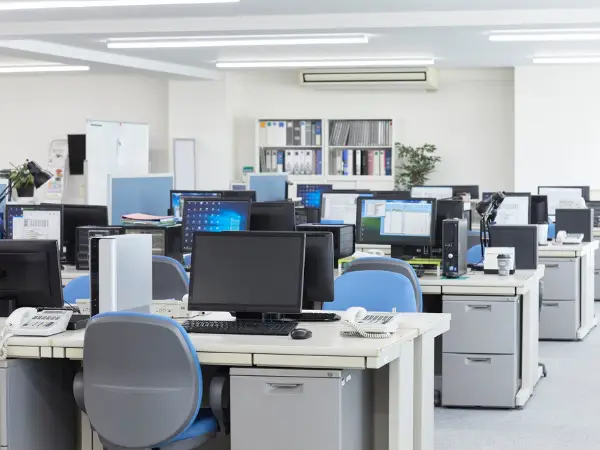
Office Space Planning Checklist for Cape Town Businesses
Why Space Planning Matters: Office Space Planning Planning your office layout before you start building or renovating is essential. It helps you use your space efficiently, control costs, and create a productive work environment. Without a clear plan, you risk wasting space, overspending, and disrupting your operations later. This checklist will guide you through each step of the space planning process. Use it to plan your new office layout or to reconfigure your existing workspace. Step 1: Assess Your Current Space Before you plan your new office layout, understand how your current space works. This will help you identify what to keep, change, or remove. Create a list of the following: Total usable space in square metres Number of workstations currently in use Current layout (open plan, cellular offices, hybrid) Storage areas, meeting rooms, kitchen, and break areas Circulation space (walkways, shared zones) Unused or underused areas Track how each space is used throughout the day. Look for bottlenecks, unused corners, or overcrowded zones. This helps you see where you can improve. Step 2: Understand Your Business Needs Your space must support your operations. Plan for both your current and future needs. List the following: Number of employees currently Planned headcount growth over the next 3–5 years Departments and how they work together Level of collaboration or quiet work needed Type of client interactions (meetings, presentations, walk-ins) Storage and equipment requirements Accessibility and safety requirements This step ensures you design a layout that works for your business long-term and avoids costly reconfigurations later. Step 3: Plan Your Budget Setting a clear budget helps you make practical decisions. Costs depend on layout changes, furniture, and finishes. Include these budget items: Design and space planning fees Demolition or strip-out work Construction of new walls or partitions Electrical and data installation Air conditioning and ventilation Furniture and joinery Painting and finishing Contingency allowance Having a set budget helps you brief contractors clearly and compare quotes fairly. Step 4: Define Your Ideal Layout Your layout affects productivity and communication. Decide on a structure that fits your business model. Main layout types to consider: Open plan: Maximises space use and encourages collaboration. Cellular offices: Provides privacy and reduces noise for focused work. Activity-based zones: Combines quiet zones, collaborative areas, and breakout spaces. Hybrid layout: Mix of open plan and private offices. Sketch out where each department and function will go. Plan for logical adjacencies — for example, placing collaborative teams close to each other and keeping noisy areas away from quiet workspaces. Step 5: Plan Space Allowances Use standard space guidelines to calculate how much area each function needs. This helps prevent overcrowding and ensures comfort. Typical space allowances: Workstation: 5–7 m² per person Private office: 10–15 m² Meeting room (6 people): 12–15 m² Boardroom (12 people): 25–30 m² Reception: 10–15 m² Kitchenette: 10–12 m² Breakout area: 1–2 m² per person Storage/filing: 0.5–1 m² per person Circulation space: 25–30% of total area Apply these figures to your total space to see how many people and functions can fit comfortably. Step 6: Consider Building Infrastructure Your building’s structure and services will influence your layout. Check: Position of windows and natural light Ceiling heights and structural beams Location of columns and load-bearing walls Existing electrical and data points Plumbing locations Air conditioning and ventilation systems Emergency exits and fire safety routes Working with your existing infrastructure saves costs and speeds up construction. Relocating major services can be expensive. Step 7: Plan for Technology and Data Modern offices rely on reliable technology. Integrate IT early in your planning to avoid delays. Consider: Location of data racks and server rooms Number and position of data points Wi-Fi coverage Power and charging points Audio-visual systems for meeting rooms Security and access control systems Involve your IT provider early to make sure your new layout supports your tech needs. Step 8: Plan Lighting and Acoustics Good lighting and sound control improve productivity. Poor planning in these areas causes distractions and discomfort. Lighting checklist: Maximise natural light Add task lighting for workstations Use energy-efficient fittings Avoid glare on screens Acoustic checklist: Place noisy areas away from quiet zones Use acoustic panels or partitions Add soft furnishings to reduce noise Install acoustic ceilings if needed Step 9: Plan for Storage Storage is often overlooked. Plan it early to avoid cluttered spaces. Include: Centralised storage rooms Department-specific storage Personal storage lockers or pedestals Secure storage for valuable equipment Digital storage to reduce paper filing Plan storage close to where it will be used. This keeps operations efficient. Step 10: Plan for Common and Client Areas Shared spaces create flow and support collaboration. Plan them as part of your layout, not as leftover space. Consider: Reception area with seating Meeting rooms of different sizes Informal breakout areas Kitchen or canteen Bathrooms Outdoor areas if available Design these areas to support both staff and client needs. Step 11: Allow for Flexibility Your business will change over time. Design your space to adapt without major disruption. Ways to add flexibility: Use modular furniture Choose demountable partitions Plan open zones that can change use Add spare data and power points Leave room for future expansion Flexible design reduces long-term costs and downtime. Step 12: Understand Compliance and Approvals in Cape Town Your layout must meet local regulations. Make sure your design complies with: City of Cape Town building regulations Fire safety codes (exits, sprinklers, extinguishers) Health and safety standards Accessibility requirements (ramps, disabled bathrooms) Occupancy density regulations Get professional advice if you are unsure. Non-compliance can delay your move-in and add unexpected costs. FIND YOUR NEXT OFFFICE TODAY Step 13: Get Multiple Quotes Once your layout is final, get prices from contractors. Always get at least three independent quotes. This gives you a clear view of market rates and helps you avoid overpaying. When comparing quotes: Check that they include the same scope Ask for itemised pricing Confirm timelines and availability Review contractor references Clarify exclusions Using a company like Cape Interiors can save you time. We